From Luxembourg to the Ukrainian courts: the National School of Judges held its second Summer School on EU law
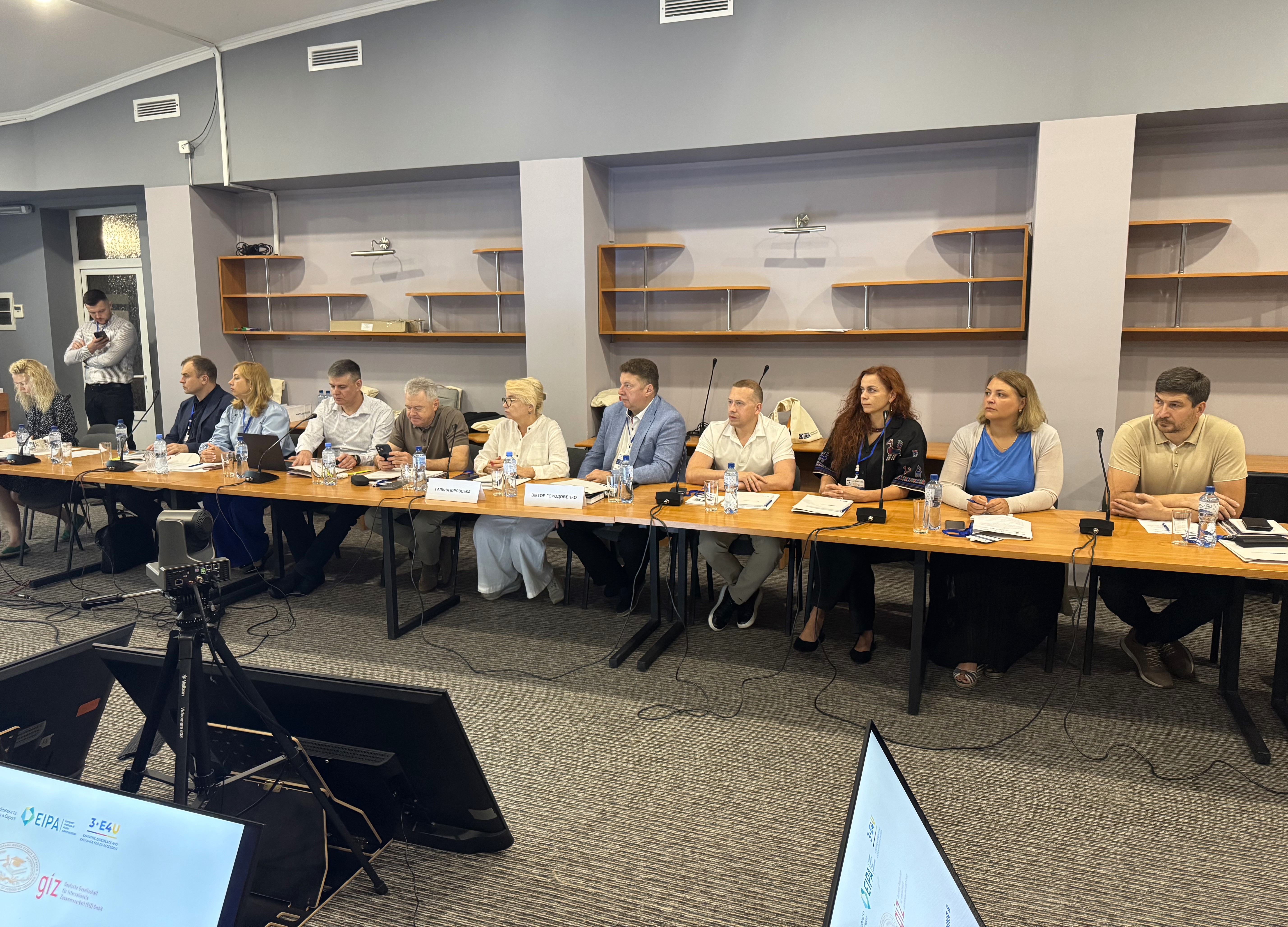
How can the rulings of the Court of Justice of the European Union in Luxembourg influence the decisions of Ukrainian courts? Ukrainian judges sought answers to this and a number of other practical questions on 18–20 August during the 2nd Summer School of the National School of Judges of Ukraine, entitled ‘European Union Law and its Implementation in the Ukrainian Justice System: from Luxembourg to the National Court’.
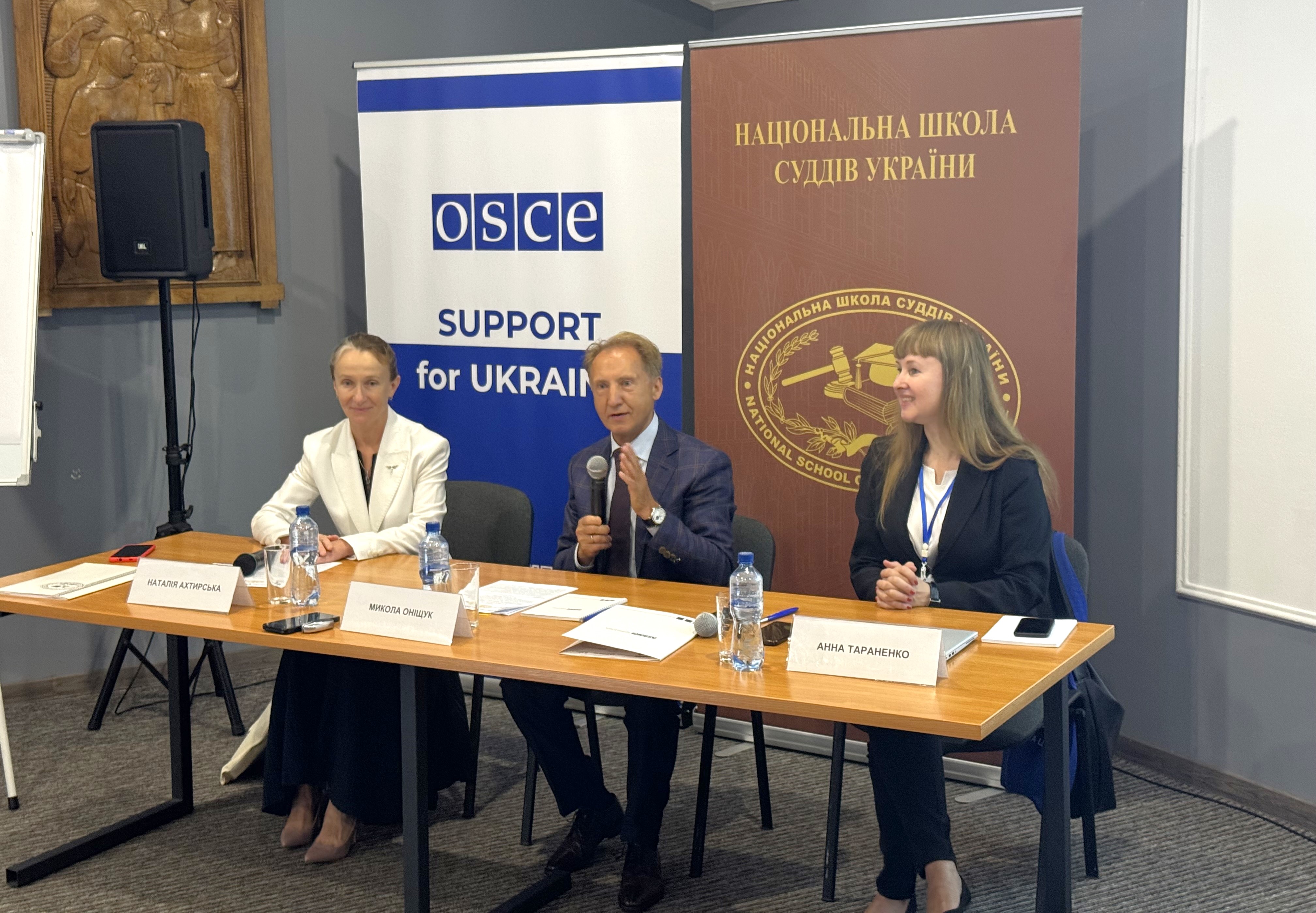
The summer school was traditionally opened with a welcoming address by the rector of the National School of Judges of Ukraine, Mykola Onishchuk. The programme was organised with the support of the OSCE Support Programme for Ukraine as part of the project ‘Ensuring Respect for Human Rights in the Administration of Justice, Phase II’, in cooperation with the European Institute of Public Administration (EIPA), the GIZ Ukraine project ‘Strengthening Ukraine’s Compliance with EU Standards in the Field of the Rule of Law’ (3*E4U) and the Swedish National Court Administration.
From EU law to the day-to-day work of a Ukrainian judge
The aim of the Summer School is not only to deepen the judges’ knowledge of the institutions and law of the European Union, but also to demonstrate how European legal standards can be applied in the practical work of Ukrainian courts.
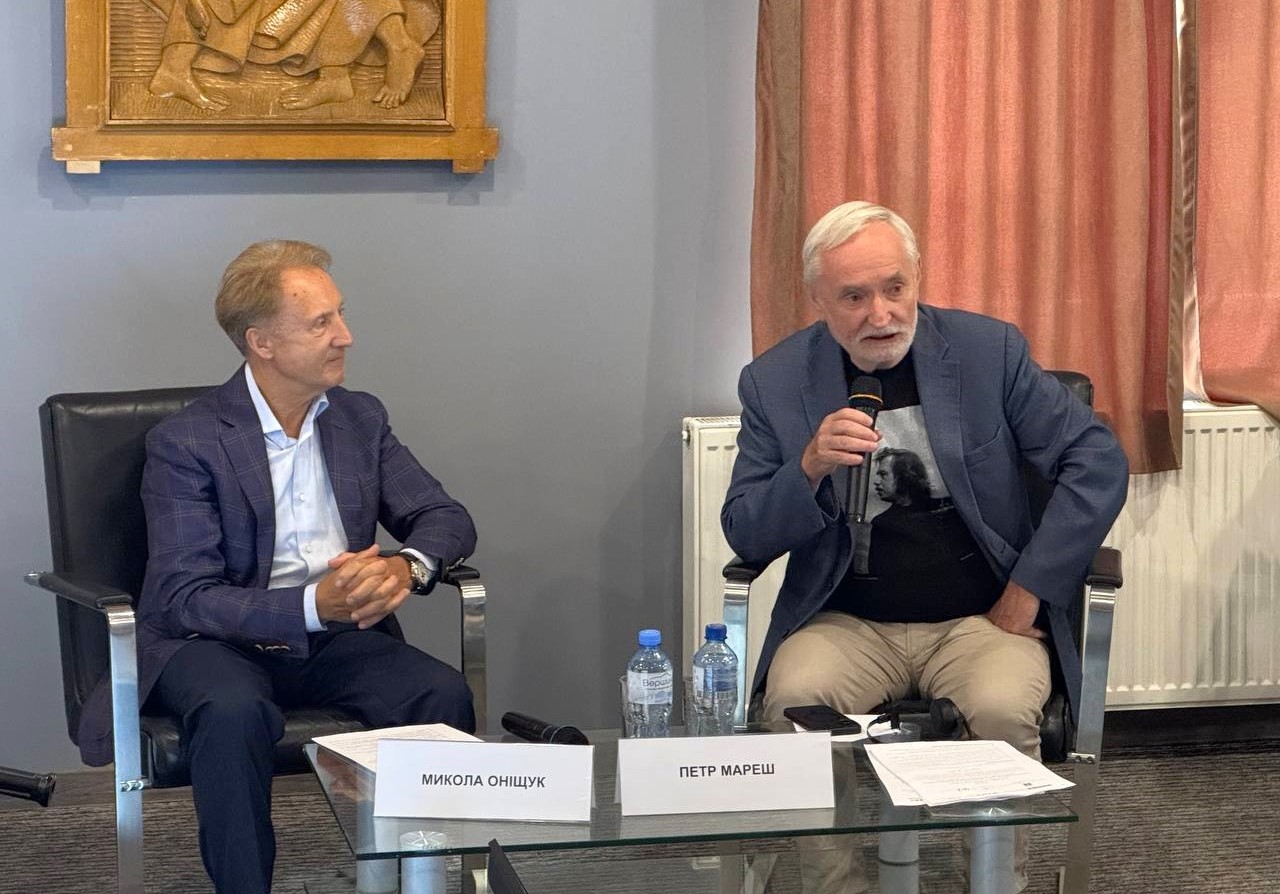
Participants explored a wide range of topics: from the structure of the Court of Justice of the European Union and the procedure for preliminary rulings to the rule of law, the application of the Charter of Fundamental Rights of the European Union, the independence of the judiciary, the digitalisation of justice and the use of artificial intelligence.
Specific areas of focus included the protection of children’s rights and the best interests of the child, as well as the principles of subsidiarity and proportionality in EU law.
The programme was structured in such a way that participants could not only familiarise themselves with European approaches, but also relate them to the realities of the Ukrainian justice system.
Three days – from the institutions of the Court of Justice of the European Union to the practice of Ukrainian courts
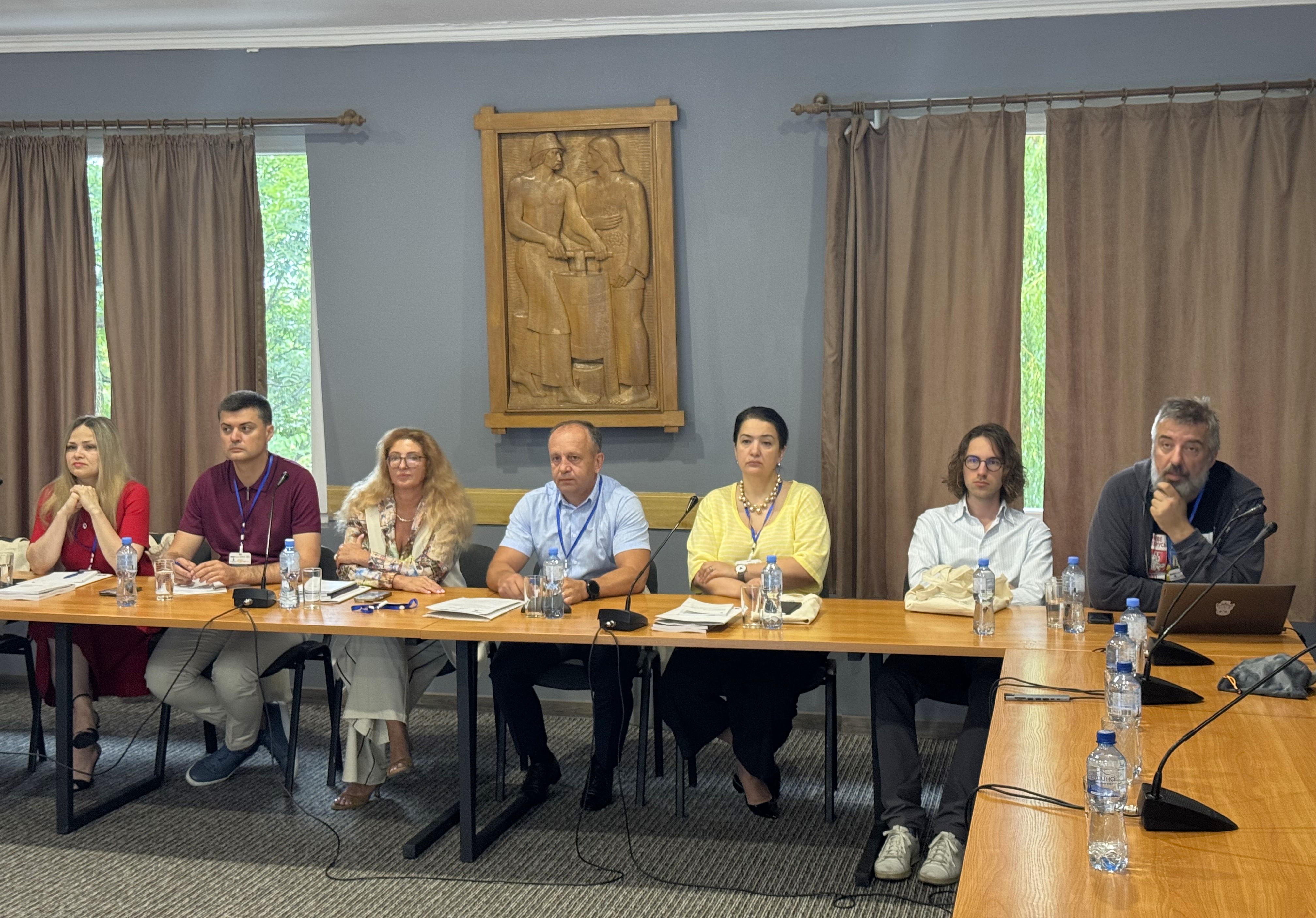
The first day of the training was devoted to the institutional and organisational structure of the Court of Justice of the European Union, the independence of the judiciary and the preliminary ruling procedure.
At the same time, the experts focused on one of the most pressing issues for the Ukrainian justice system – digitalisation and artificial intelligence. The judges discussed the potential of new technologies and the challenges that digital transformation poses for the judicial system.
The second day focused on the rule of law in the EU and the application of the Charter of Fundamental Rights of the European Union. Participants analysed the case law of the Court of Justice of the European Union and the role of national judges in ensuring the effective application of EU law.
Particular emphasis was placed on the practical significance of the Court of Justice’s rulings: they should not merely be a subject of study, but also a source of argumentation and justification for the legal positions of national courts.
The third day was distinctly practical in nature. During the panel discussion entitled ‘Justice in Ukraine in line with EU legal standards: the experience of national courts in applying the case law of the Court of Justice of the European Union’, judges from the Constitutional Court of Ukraine, the Supreme Court, and the courts of appeal and local courts discussed existing experience and the prospects for the further application of EU legal standards in Ukraine.
European experience – first-hand from European experts
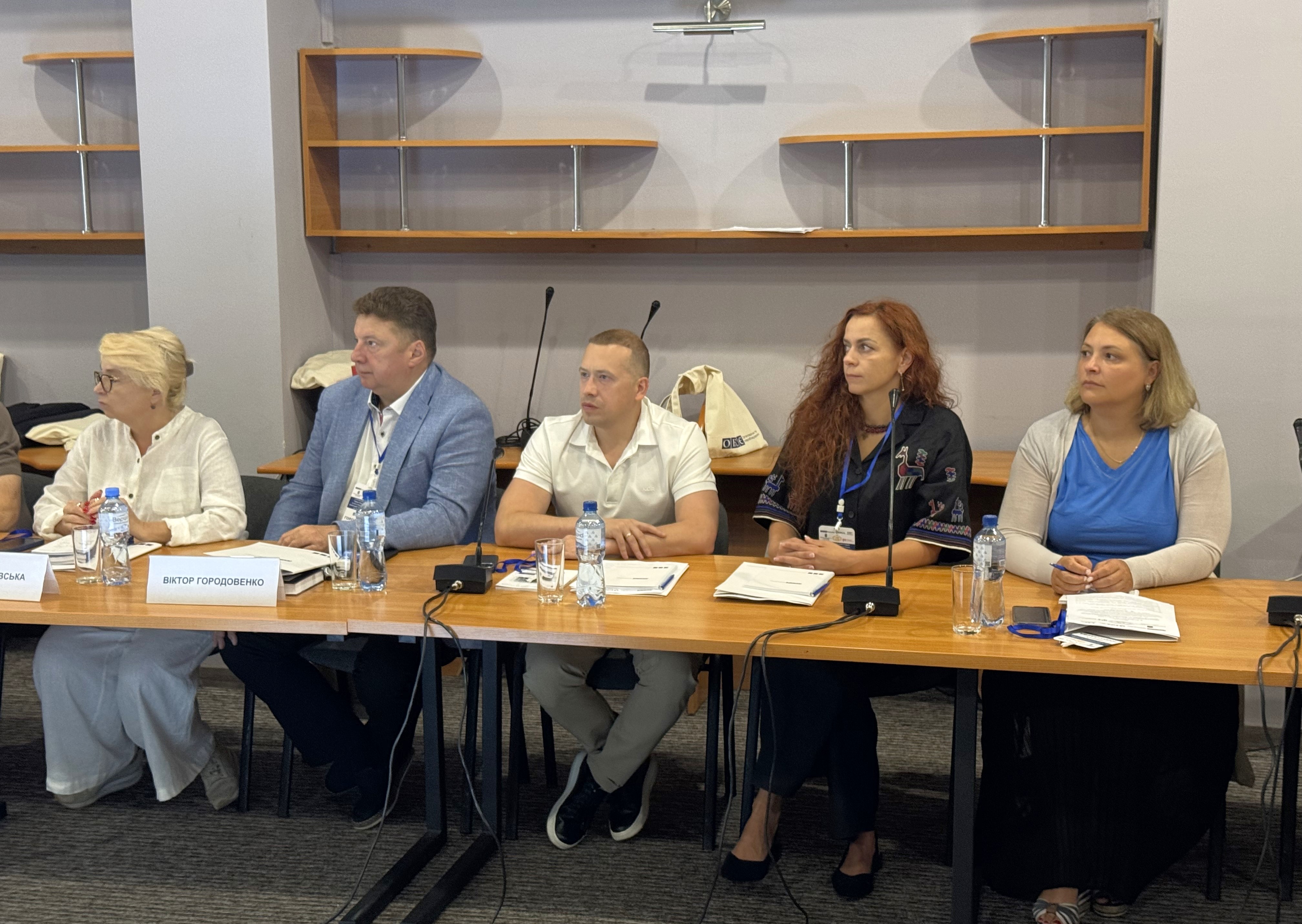
Leading European experts, academics and judges from Ukraine, Sweden, Poland, the Netherlands, the United Kingdom and other European countries took part in the training sessions.
Among them were Virgilijus Valančius, a judge at the Court of Justice of the European Union from 2019 to 2023, and professors and experts Nadia Rusinova, Fryderyk Zoll, Laurent Pech, Adam Lazowski and Henrik Hedberg.
This direct exchange of experience with representatives of the European legal community enabled Ukrainian judges to gain a better understanding not only of how the EU legal order functions, but also of how its principles can be adapted to the Ukrainian legal context.
From Luxembourg to a tangible court ruling
In summarising the work of the Summer School, participants focused on a key question: how can the path from European standards to Ukrainian court rulings be made practical and effective?
It was precisely this link – between the practice of the Court of Justice of the European Union in Luxembourg and the work of Ukrainian judges – that became one of the central themes of the event.
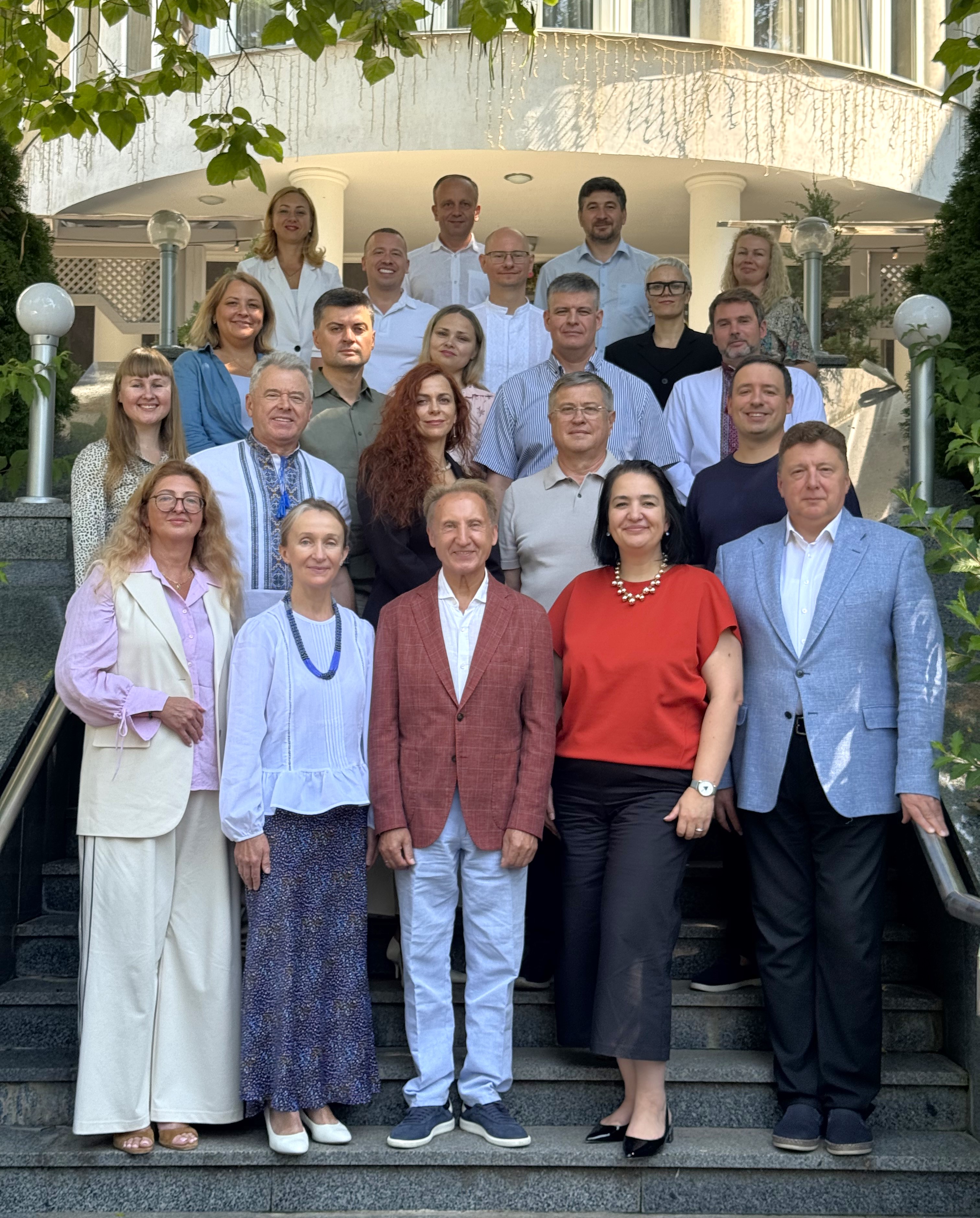
The second Summer School served as an important platform for professional dialogue between Ukrainian judges and the European expert community. The combination of theory, analysis of the case law of the Court of Justice of the European Union, professional discussions and debates on real-world challenges enabled participants to deepen their understanding of the European legal order and its interaction with national legal systems.
In the context of Ukraine’s European integration, this work takes on particular significance. After all, moving closer to the European Union involves not only the harmonisation of legislation, but also the gradual development of judicial practice that is compatible with European values, the principle of the rule of law and high standards of human rights protection. And it is the national judge who acts as the link that translates European standards – embodied in the rules and rulings of the Court of Justice of the European Union – into the practice of the Ukrainian justice system.
 Вища кваліфікаційна комісія суддів України
 Сайт Президента України
 Верховна Рада України
 Урядовий портал
 Судова влада України
 Вища рада правосуддя