War does not abolish either rights or criminal liability: the 4th Lviv Summer School on International Law took place
How does international law operate during wartime? How can international crimes be documented and those responsible held to account? What role do international judicial institutions and national courts play in this process?
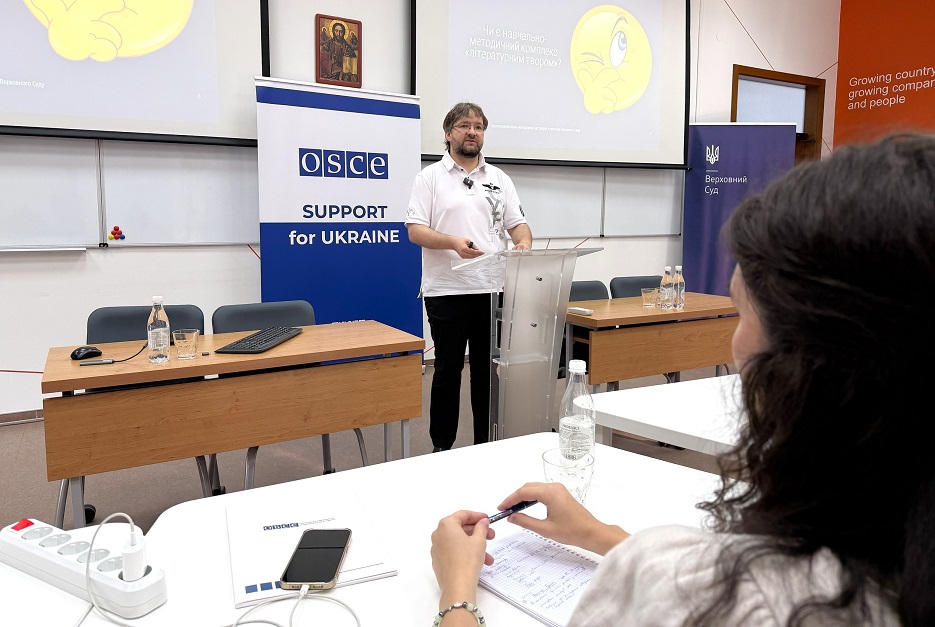
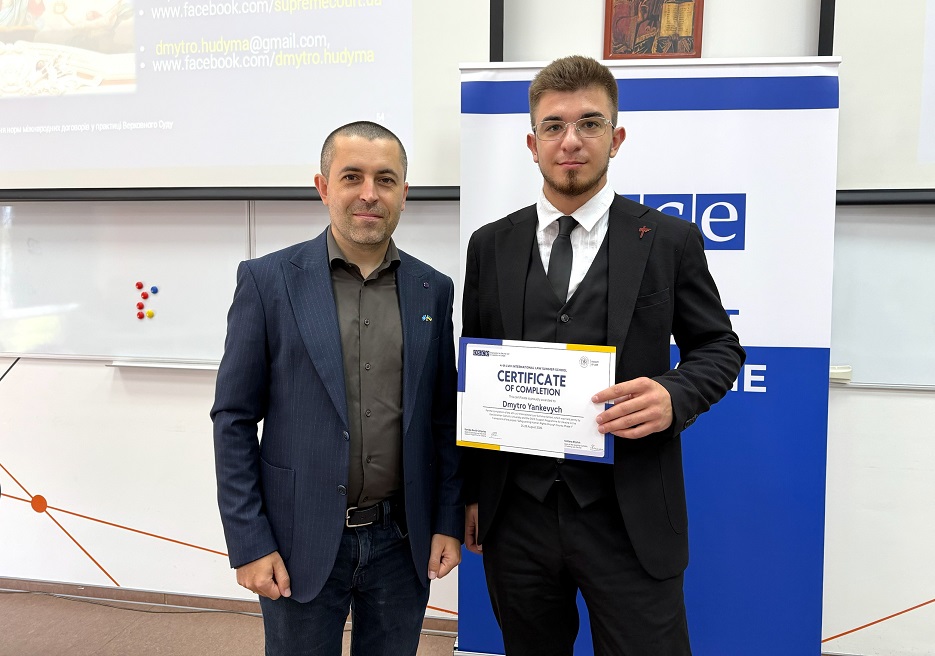
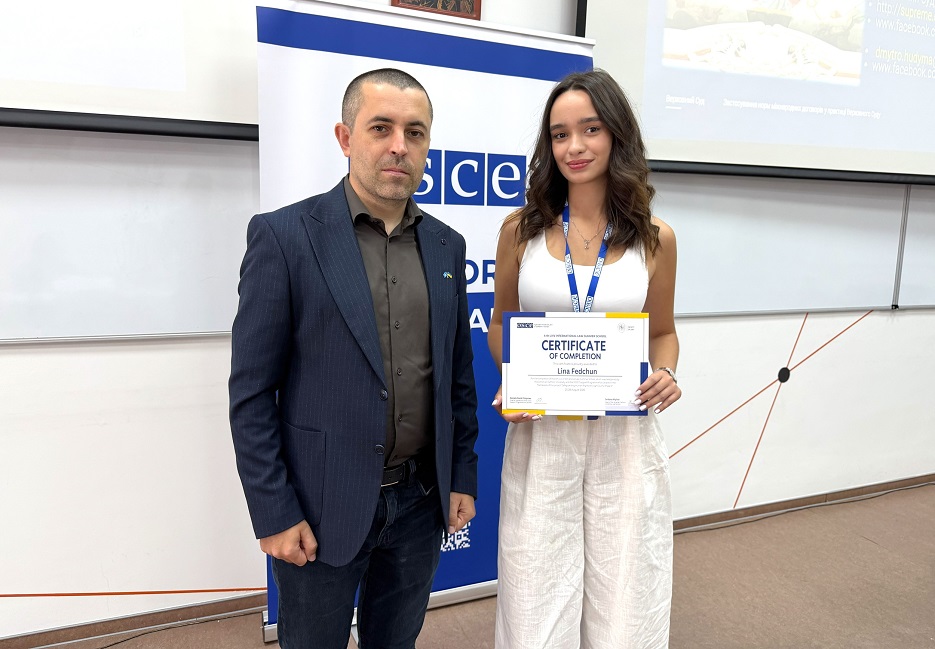
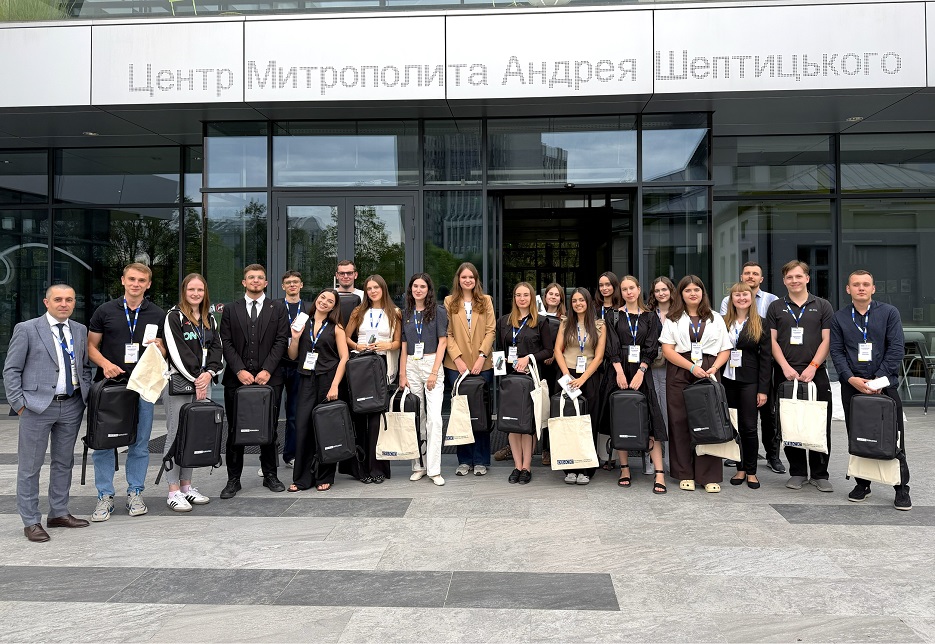
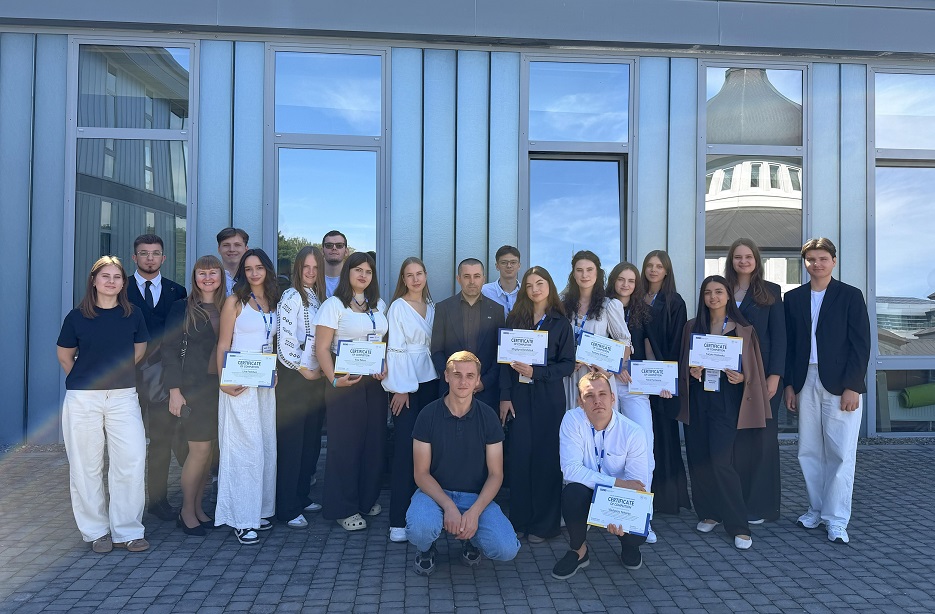
Over the course of four days, law students and postgraduate students from law faculties across Ukraine sought answers to these and other topical questions during the 4th Lviv Summer School on International Law, which took place from 25 to 28 August 2026 in Lviv.
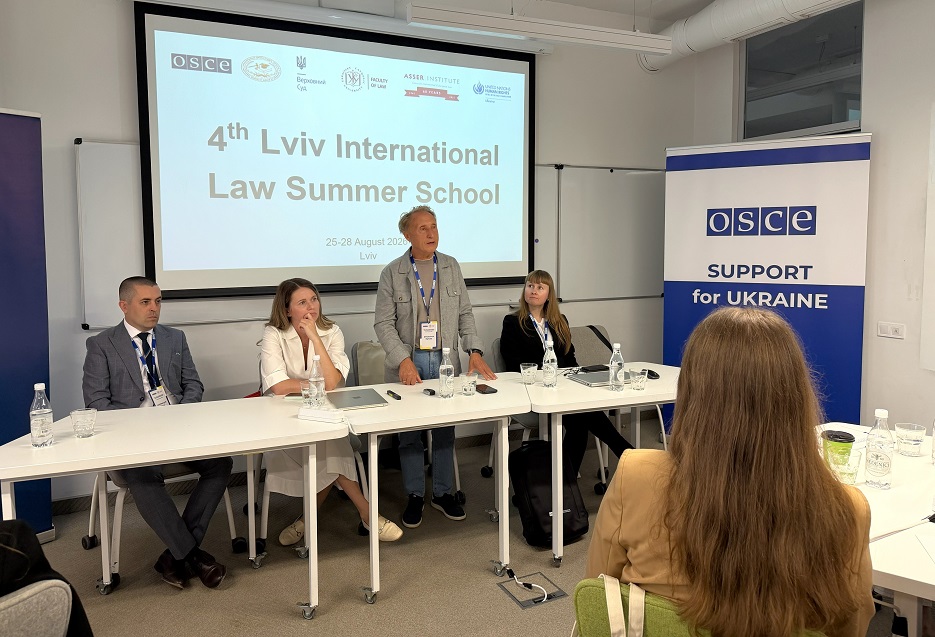
The event was held as part of the project ‘Ensuring Respect for Human Rights in the Administration of Justice, Phase II’, implemented by the OSCE Support Programme for Ukraine, in cooperation with the Ukrainian Catholic University and the UN Human Rights Monitoring Mission in Ukraine.
For the fourth consecutive year, the summer school has brought together young lawyers who possess a basic knowledge of international law and seek to gain a deeper understanding of its practical significance for Ukraine – a state that is confronting armed aggression whilst simultaneously establishing the legal mechanisms for its future recovery.
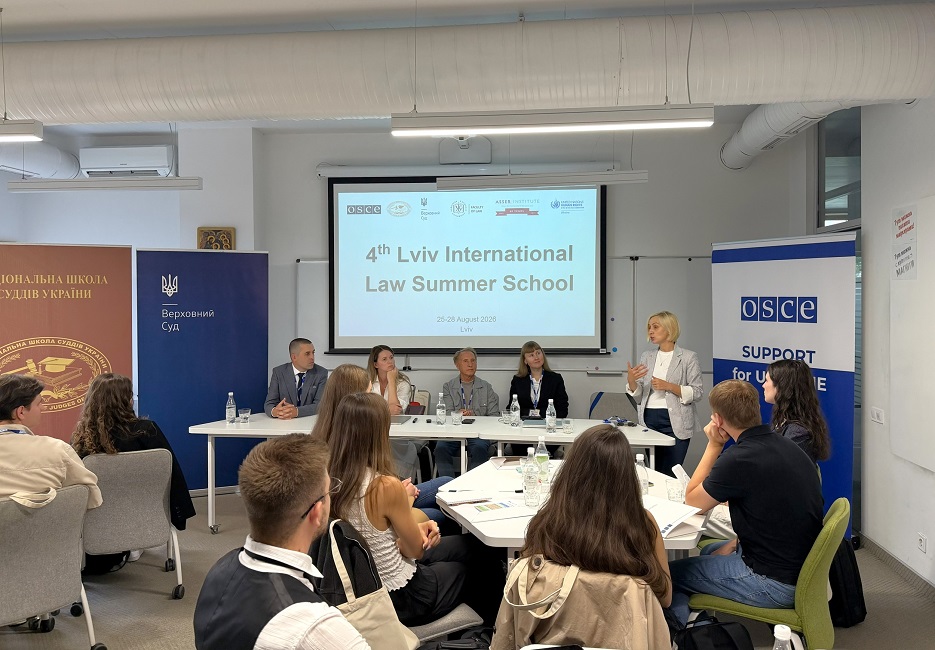
The opening of this year’s Summer School was attended by the Rector of the National School of Judges of Ukraine, Mykola Onishchuk, the Dean of the Faculty of Law at the Ukrainian Catholic University, Svitlana Khyliuk, and the Project Manager for ‘Ensuring Respect for Human Rights in the Administration of Justice, Phase II’, Anna Taranenko.
From the theory of international law to its application during wartime
Over the course of four days, participants not only deepened their theoretical knowledge but also examined international law through the prism of the realities facing Ukraine today.
The focus was on international humanitarian and international criminal law, transitional justice, the rule of law, accountability for international crimes, and the application of international legal norms in the Ukrainian context.
Ukrainian and international experts – representatives of international organisations, leading universities and the legal profession – took part in the training sessions.
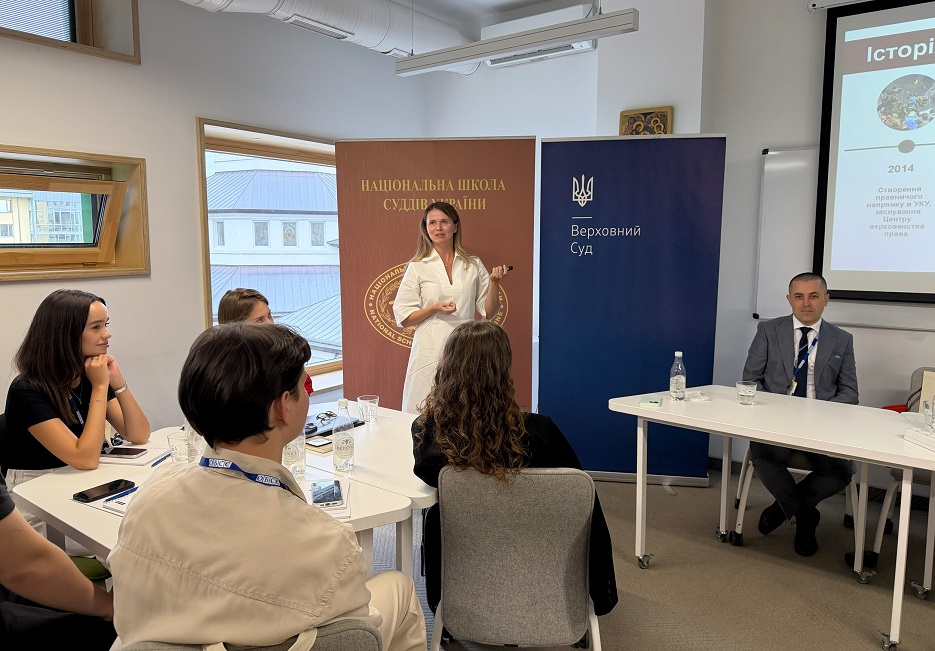
The first day began with an introductory lecture-style discussion and a presentation by the Louis B. Sohn Research Centre.
The second day was devoted to international humanitarian law and accountability for war crimes in the Russia-Ukraine war. Participants examined separately the issue of conflict-related sexual violence, the evolution of international and national approaches to responding to such crimes, and the specific aspects of monitoring human rights violations in Ukraine and other states.
The International Criminal Court and the Ukrainian experience
On the third day, the participants’ attention turned to the work of the International Criminal Court – its legal framework and the mandate of the Office of the Chief Prosecutor.
A separate session was devoted to transitional justice in the context of an ongoing conflict and Ukraine’s experience of its development. Participants also discussed the issues of retroactivity, the principle of legality and the application of customary international law to international crimes in Ukraine following the legislative changes of 2024.
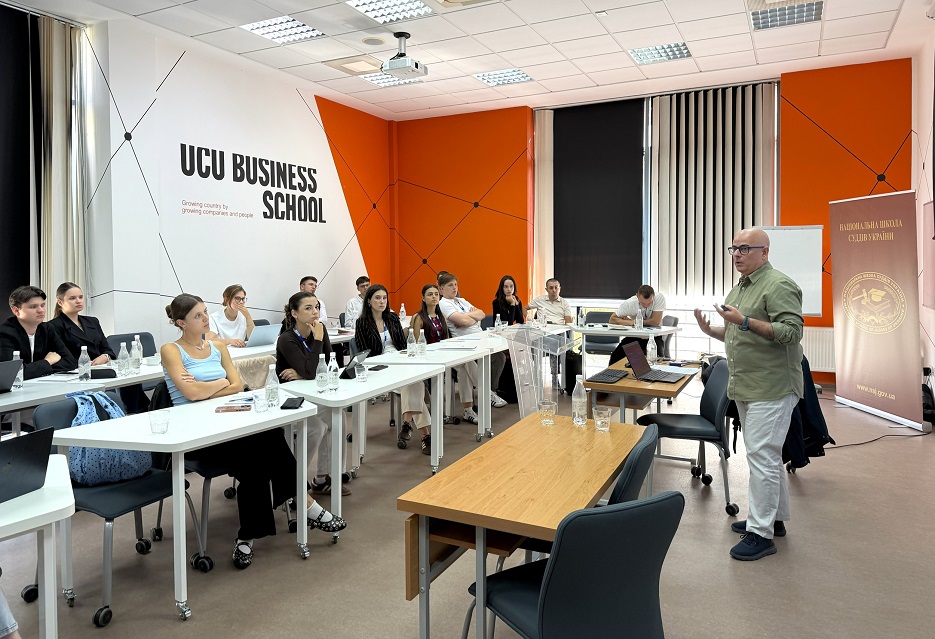
The final day of the course had a practical focus. Participants focused on the application of the provisions of international treaties in the practice of the Supreme Court, and during the concluding discussion they summarised the knowledge they had gained and discussed the practical significance of international law for the Ukrainian legal system.
The law in times of war
The 4th Lviv Summer School on International Law provided a forum for professional dialogue between future lawyers, the judiciary, international organisations, academics and experts.
For the participants, it was an opportunity to view international law not merely as a system of rules and principles, but as a practical tool for addressing war crimes, protecting human rights and ensuring accountability.
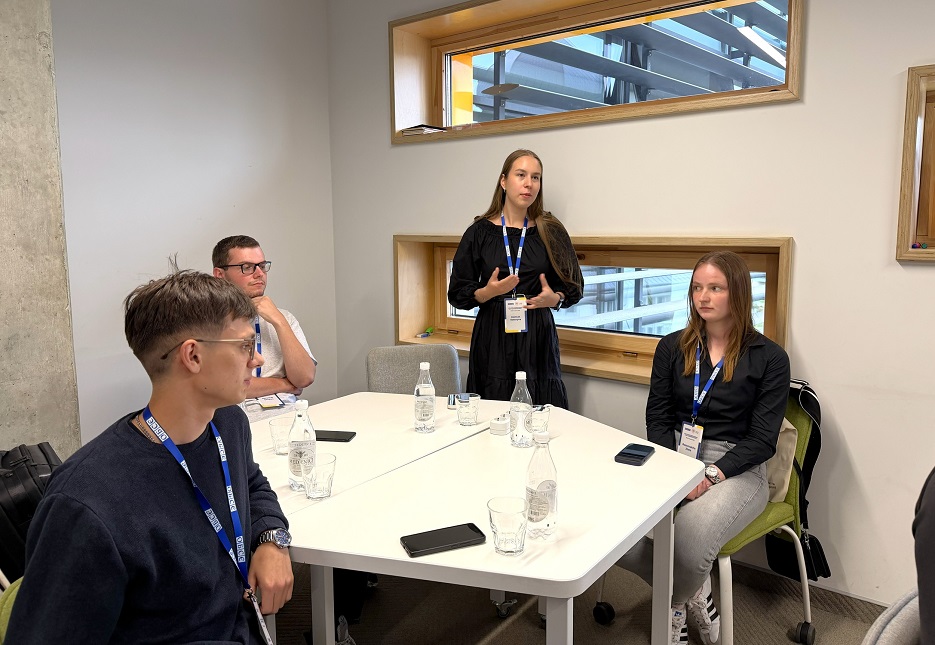 |
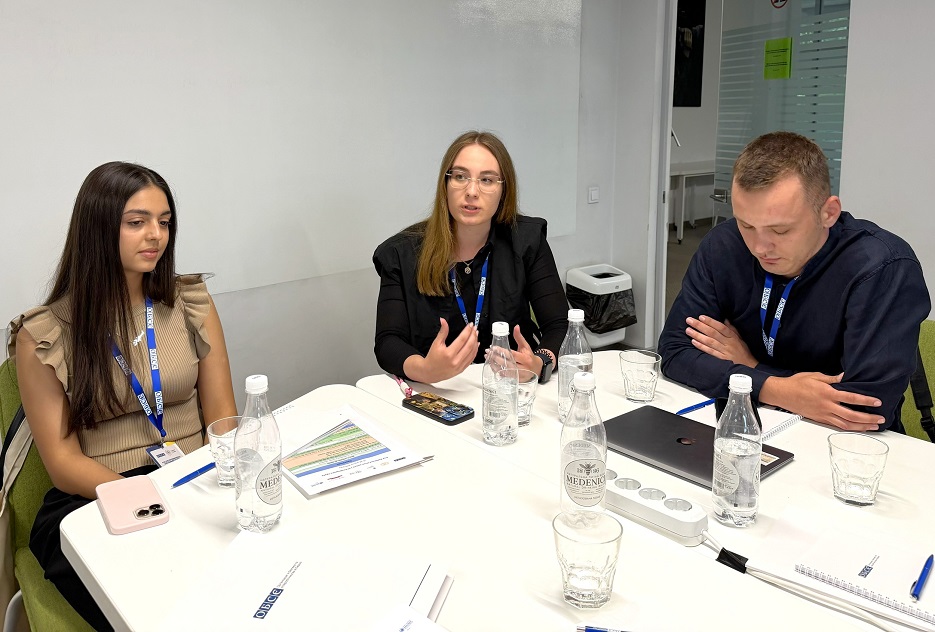 |
It is precisely this knowledge and these skills that are particularly important for the new generation of Ukrainian lawyers, who are already having to deal with the consequences of the war, issues of accountability for international crimes, transitional justice and the protection of human rights.
The Summer School has once again demonstrated the importance of professional dialogue and systematic legal education for the development of a robust legal system in Ukraine and its further integration into the European and international legal framework.
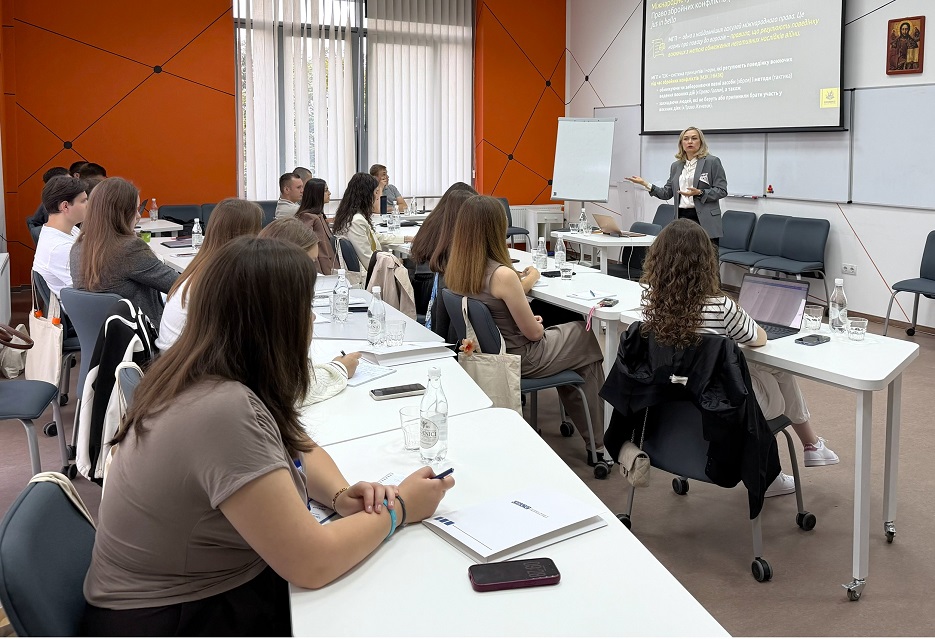
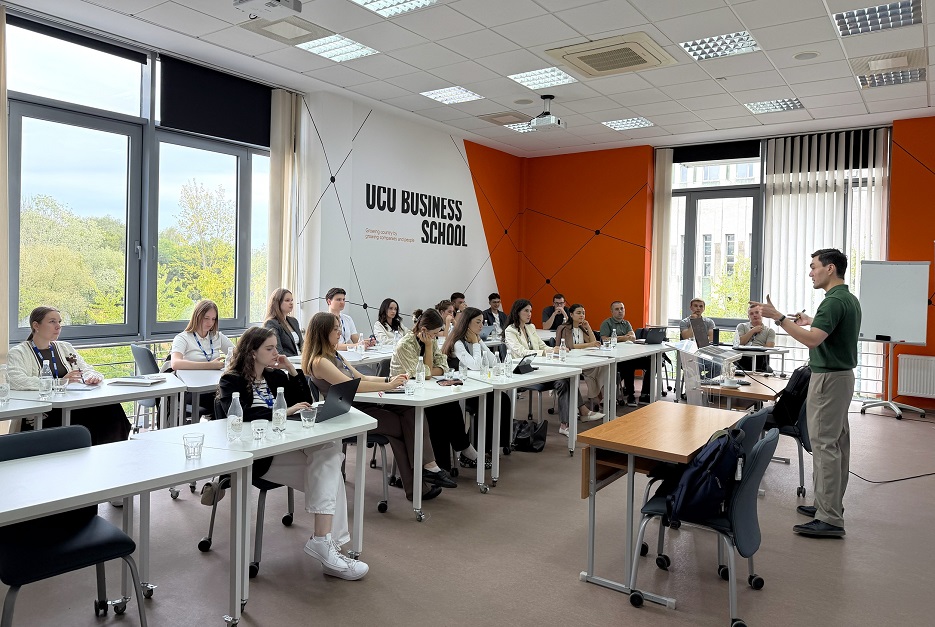
 Вища кваліфікаційна комісія суддів України
 Сайт Президента України
 Верховна Рада України
 Урядовий портал
 Судова влада України
 Вища рада правосуддя